
The Nature of Luck in Gambling
Luck is often perceived as a mysterious force in the gambling world, representing the chance occurrences that determine the results of games. Many players enter casinos with the belief that luck plays a crucial role in their success at the tables, especially when they hear stories about fast withdrawal casinos that seem to favor certain individuals. This belief is often fueled by cultural narratives and anecdotes of lucky winners, leading individuals to think that luck can significantly influence their gaming outcomes. However, the concept of luck in gambling is complex, encompassing elements of probability, randomness, and personal belief systems that vary from player to player.
From a mathematical standpoint, luck can be quantified through established odds and probabilities. Each game in a casino operates within a framework of odds that dictate the likelihood of winning or losing based on statistical data. For instance, in games like blackjack, the probability of drawing a winning hand can be calculated based on the cards remaining in the deck. While luck may play a role in the outcome for any specific player, the underlying probabilities remain constant, highlighting that not all facets of luck can be whimsically measured in gambling scenarios.
Furthermore, individual psychology significantly influences how players perceive and react to luck. Cognitive biases, such as the gambler’s fallacy, can lead individuals to make poor judgments about their chances of winning, relying heavily on past events. For example, a player who has experienced a series of losses might feel that their luck is due for a turnaround, subsequently affecting their strategies and decisions at the table. Hence, while some dimensions of luck can be quantified mathematically, it is essential to consider the psychological factors that can distort perceptions of luck in a casino setting.
The Role of Randomness
At the heart of casino games lies the principle of randomness, which ensures fairness and unpredictability in gaming experiences. From the spin of a roulette wheel to the shuffle of cards, randomness is fundamental in creating the unique experiences that players crave. Many electronic games deploy Random Number Generators (RNGs) to guarantee that outcomes are entirely random and unaffected by external influences. This inherent unpredictability reinforces the idea that luck is an indispensable part of gambling.
However, while randomness can foster a sense of luck, it can also lead players to misunderstand the frequency and consistency of wins. Some players may erroneously believe that previous outcomes will influence future results, leading to betting behaviors that are misaligned with the underlying randomness of the games. Gaining a deeper understanding of randomness can empower players to manage their expectations and approach wagering with a more analytical mindset, ultimately fostering a healthier relationship with the concept of luck.
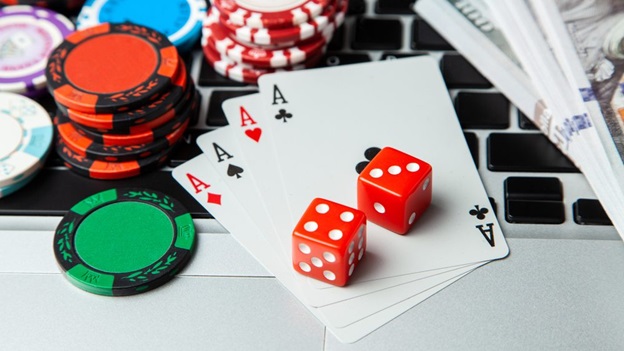
Moreover, the design of casino games intricately considers randomness to maximize player engagement. Take slot machines, for instance; they are programmed to produce a variety of outcomes while ensuring that, over time, the house retains a statistical advantage. This design principle illustrates that while luck may seem prevalent in the short term, the overall architecture of the game is meticulously crafted to balance luck with mathematical probabilities, safeguarding the casino’s profitability while offering players fleeting moments of luck.
Quantifying Luck Through Statistics
Statistics serve as a powerful tool for quantifying luck within various gambling contexts. By examining long-term game outcomes, players can estimate how frequently they are likely to win or lose based on historical data. For example, in poker, players can track their win rates over hundreds or thousands of hands, allowing them to assess the effectiveness of their strategies and translate their perceived luck into a more structured statistical framework. This analytical approach demystifies the role of luck in poker and encourages players to focus on skillful play and calculated risks.
Additionally, statistical metrics such as expected value can guide players in making informed decisions regarding their betting strategies. Concepts like return to player (RTP) percentages elucidate how games are designed in relation to luck and skill. For instance, a slot machine with a 96% RTP suggests that, over time, players can expect to retrieve 96 cents for every dollar wagered. Although individual sessions may deviate from this average, players can ultimately quantify their experiences with luck by relying on these long-term expectations.
In tournament scenarios, luck can also be quantified through statistical measures like variance and standard deviation, which evaluate the volatility of results. This type of statistical analysis reveals that while luck may significantly impact short-term outcomes, skill and strategic decision-making often prevail over longer periods in competitive environments. By embracing a balance of luck and skillful play, players can cultivate a more comprehensive understanding of what leads to success in casino games.
The Influence of Skill on Luck
While luck is undeniably a crucial element of casino games, the influence of skill should not be underestimated. In many games, particularly those that demand strategic thinking, skilled players can enhance their chances of winning despite the inherent randomness of the game. For instance, in poker, a seasoned player can effectively read their opponents, manage their betting strategies, and employ psychological tactics to sway results in their favor. In this sense, luck becomes a complement to skill rather than a standalone factor.
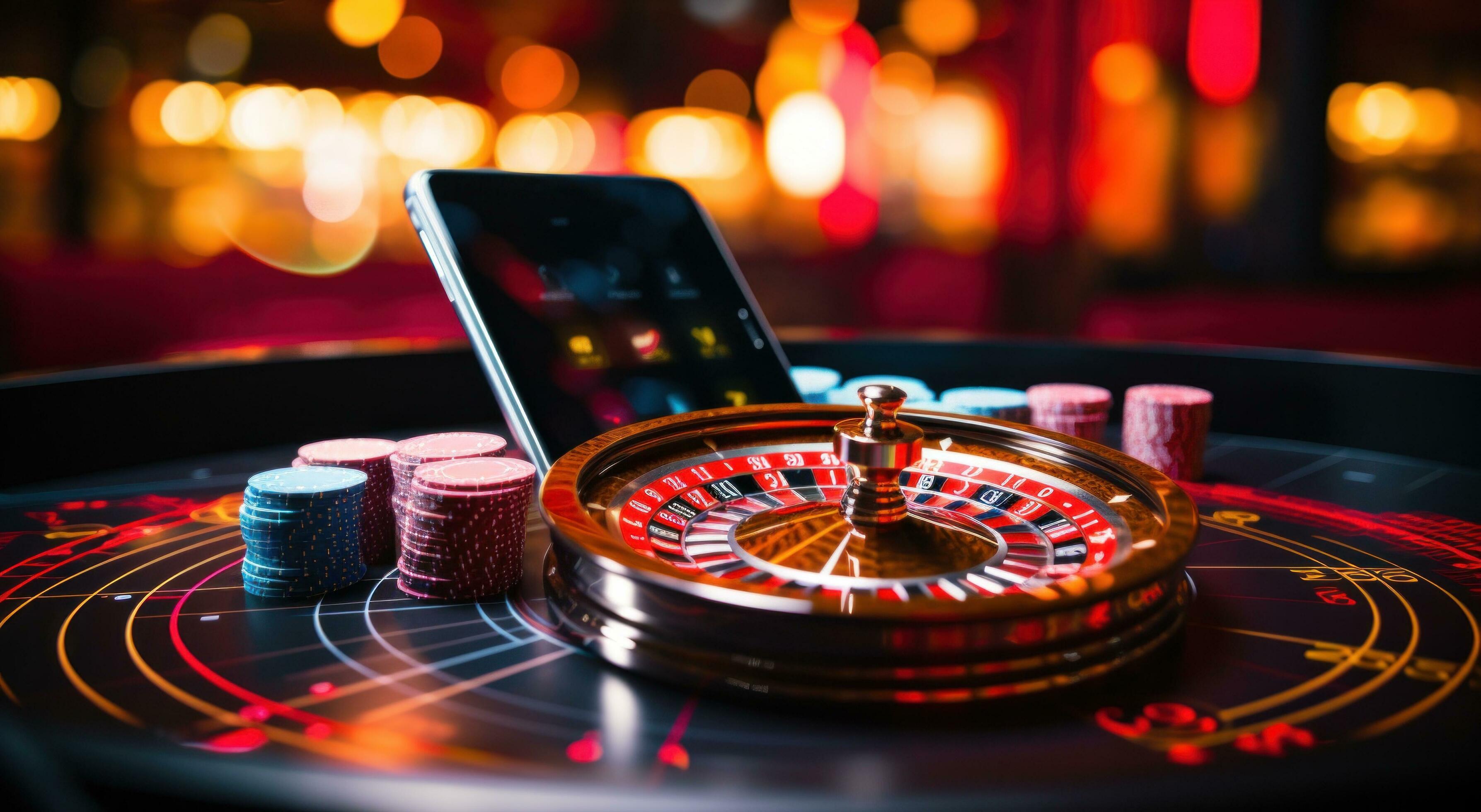
Conversely, games based purely on chance, such as slots or roulette, may appear more reliant on luck; however, even in these situations, players can adopt strategies to improve their experiences and outcomes. For example, understanding the intricacies of betting limits and payout structures can help players maximize their gaming time, thereby increasing their odds of hitting a winning streak. This intersection of skill and luck illustrates that while luck may be unpredictable, players can take proactive measures to enhance their gaming experiences.
The coexistence of skill and luck is vital for grasping the dynamics prevalent in casino games. It emphasizes the importance of education and practice, enabling players to refine their gaming abilities while acknowledging that luck can shift at any moment. As players cultivate their skills, they may find themselves navigating the unpredictable landscape of luck more effectively, ultimately enhancing their overall enjoyment of the gaming experience.
Understanding the Casino Environment
The casino atmosphere is meticulously designed to evoke emotions and shape player behavior, with luck playing a pivotal role in how games are perceived and interacted with. The ambiance, lighting, and sound effects are all carefully orchestrated to create an exhilarating environment that can amplify feelings of luck and fortune. By understanding this environment, players can gain insight into how their perceptions of luck are molded by external factors rather than solely by their personal gaming experiences.
Moreover, casinos frequently utilize promotional strategies to highlight the element of luck, such as announcing jackpots and organizing lucky draw events to generate excitement around the potential for substantial wins. These marketing techniques tap into the human fascination with luck and its quantifiable counterpart—winning. However, players should remain mindful that while such promotions may heighten the gaming experience, they do not necessarily reflect the fundamental probabilities governing the games.
To effectively navigate this intricate interplay of luck and the casino environment, players should prioritize informed choices and responsible gaming practices. Acknowledging that luck can be influenced by both psychological and environmental factors allows players to approach gaming with a balanced perspective, appreciating the thrill of chance while still maintaining control over their strategies and expectations. Ultimately, this understanding can lead to a more enriching and fulfilling casino experience.